
Our solutions are designed to make energy supply and energy management more efficient, secure, and effective – even under challenging conditions. Thus, we support the management of current threat situations and create real value both in active field operations and at the interface with civilian deployments, such as protecting critical infrastructure and in crisis response.
EcoVolta – 2.3KW
POWERBANK
Universal, compact portable 230V solution for silent, emission-free energy on the go.
EcoVolta – 8.9KW
POWER TROLLEY
Mobile 400 Volt solution for professional applications with high power requirements.
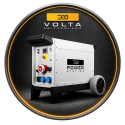
EcoVolta – 15.0KW
POWERSTATION
Scalable professional power supply for high inrush currents and long runtimes or multiple devices.
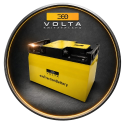
EcoVolta – 15.0KW
EVOTRACTION
Powerful battery blocks or traction batteries for electric vehicles and machinery
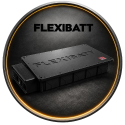
FlexiBatt – 2.5KW
BATTERY-BLOCK
With 2.5 kWh and a lightweight, compact design, FlexiBatt provides energy for extended field operations.
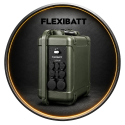
FlexiBatt – 2.5KW
BATTERY CASE
A modular 48V and 2.5 kWh ruggedized battery system for professional, off-grid use independent of the power grid.
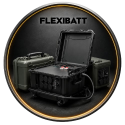
FlexiBatt – 50KW
BATTERY SYSTEM
A UPS and energy storage system with high capacity. The system combines 5 kWh modules. Scalable up to 50 kWh.
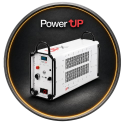
PowerUP
GENERATORS
Mobile hydrogen fuel cell generators for quiet, emission-free power in flexible applications.
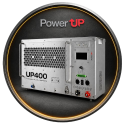
PowerUP
POWER SUPPLIES
Integrable fuel cell power supplies for compact, modular hydrogen-based energy systems.
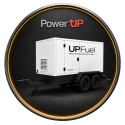
PowerUP
ELECTROLYZER
Decentralized hydrogen production for resilient, independent energy supply on site.
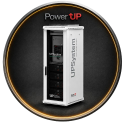
PowerUP
USV SYSTEME
Hydrogen-based UPS power systems for reliable backup power in critical applications.
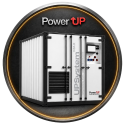
PowerUP
CONTAINER SYSTEME
Containerized hydrogen power systems, solutions for scalable, resilient energy supply on site.










Vogt-CTE
Rescue
Business field for products related to rescue and operations
Vogt-CTE
Defense
Business field for products related to defense and security markets
Vogt-CTE
Energy
Business sector for products related to mobile energy supply markets
Vogt-CTE Fire Retardants
Business field for products related to fire protection and firefighting


However you look at it: We are dealing with stored energy. And stored energy always poses a certain risk when released uncontrollably. This applies to modern energy storage just as it does to many things that seem completely ordinary in our daily lives. Gasoline in cars is highly flammable. Gas in grills is pressurized. Electricity from the outlet can be dangerous. Yet we use all these forms of energy every day – safely, reliably, and in a controlled manner. Not because they are without danger, but because we have learned to handle them responsibly.
Risk does not arise from energy, but from a lack of control
Stored energy is not a new phenomenon. What matters is not that energy is stored, but how it is stored, monitored, and used. Modern energy systems are designed to minimize risks and detect deviations early. Through technical safety mechanisms, intelligent control, and clear operational guidelines, it is ensured that energy is released only when needed – and always within defined, safe limits.

Safety through Technology, Processes, and Knowledge
A safe approach to energy storage is based on three core pillars:
Just like driving a car, handling gas, or dealing with electrical systems, safety comes from experience, technology, and responsibility – not avoidance.
Manageable with Proper Use
When used correctly, stored energy is manageable, calculated, and safe. Modern energy systems are continuously monitored, regulated, and secured. They are designed to react controlled even in exceptional situations. Stored energy is not a risk to fear.
It is a resource that should be understood, respected, and used properly. Just as we have done for decades with gasoline, gas, and electricity.
Risks Associated with Stored Energy
Stored energy can be managed if risks are recognized, understood, and actively addressed. These risks can be categorized into four main types: human, systemic, technical, and process-related risks.
Human Risks
Risks from Behavior, Perception, and Decisions
Human factors are one of the most common causes of safety-related incidents. They usually arise not from intent, but from habit, time pressure, or lack of information.
Systemic Risks
Risks from the Overall System and Its Environment
Systemic risks arise from the interaction of multiple components or from external influences that affect the overall system.
Technical Risks
Risks from Components, Materials, and Technology
Technical risks arise from defects, aging, or incorrect specifications of components and systems.
Process-related Risks
Risks from Procedures, Rules, and Organization
Process-related risks occur when procedures are unclear, incomplete, or not followed.
Summary: Risks in handling stored energy are not attributable to a single cause. They usually arise from the interaction of multiple factors. Therefore, a safe overall system considers humans, technology, processes, and the system environment equally.
Stored energy is encountered every day – in the form of fuels, gas, electrical energy, or modern battery systems. Regardless of the specific technology, fundamental principles apply that enable safe and responsible handling.
Respect for Stored Energy
Stored energy can be released uncontrollably if mishandled. It should always be treated with respect, even when it seems familiar in everyday life. Familiarity must never lead to negligence.
Only Use for Intended Purpose
Energy systems may only be used for their intended purpose. Improvisation, misuse, or structural changes without authorization significantly increase risk and should be avoided.
Do Not Bypass Technical Safety Mechanisms
Safety features such as shutdowns, fuses, or monitoring systems are integral to the overall concept. They must not be disabled or bypassed, even temporarily.
Take Damage Seriously
Visible damage, unusual noises, odors, or erratic behavior are warning signals. In such cases, operations must be stopped immediately, and qualified personnel should be notified.
Ensure Adequate Environment
Stored energy requires suitable environmental conditions. This includes adequate ventilation, protection from heat, moisture, or mechanical impact, and sufficient distancing from unauthorized persons.
Only Employ Trained Personnel
Installation, maintenance, and operation may only be carried out by trained or qualified individuals. A fundamental understanding of the functioning is essential for safe operation.
Define Clear Responsibilities
It must be clearly established who is responsible for operation, monitoring, and shutdown. Unclear responsibilities increase the risk in case of disturbances.
Know Emergency Procedures
In case of a disturbance or emergency, clear action instructions must be available. These should be known, accessible, and regularly reviewed.
Regular Inspection and Maintenance
Stored energy is also subject to aging and wear, as are its storage devices. Regular visual inspections, maintenance, and function tests significantly contribute to safety.
Safety Over Speed
Time pressure must never lead to unsafe behavior. Safety always takes precedence over speed, convenience, or economic considerations.

WE DELIVER INNOVATIVE ENERGY SYSTEMS
At Vogt-CTE, we provide our European trading partners access to unique innovations in the field of energy systems. Our solutions make energy supply and energy management easier, faster, safer, and more energy-efficient – all while consuming fewer resources. The products we represent are highly specialized, field-tested, and create real value: they strengthen resilient, decentralized structures and ensure operation even under demanding conditions. We do not just bring products to market; we deliver progress. Together with our partners, we ensure that these innovations reach where they are needed most: at operators of critical infrastructure, response organizations, and field users.